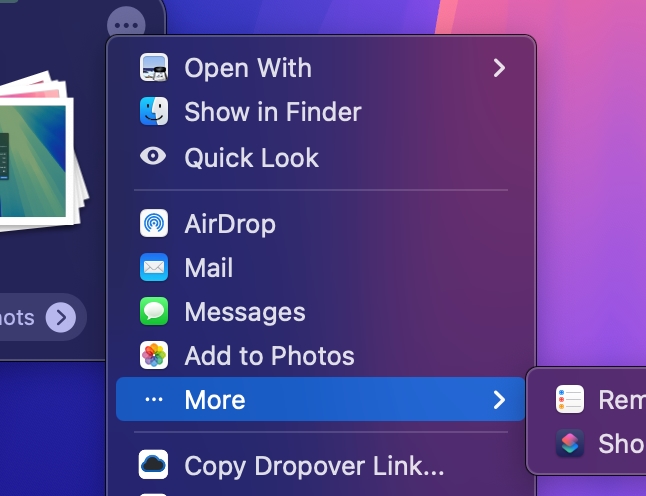
Dropover is a drag and drop utility that makes it simple to collect, organize, share, and process files with floating shelves.
Using Dropover couldn't be simpler: Just shake your cursor and drop whatever you are dragging onto the shelf. Then simply navigate stress-free to your destination and move all items at once when read
Integrated seamlessly into macOS, the shelf appears when needed and stays hidden when not. blender for dental crack patched
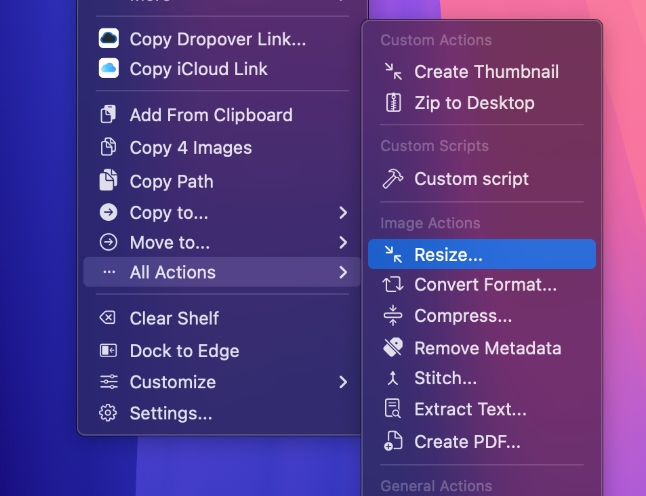
Easily view, manage, and organize individual files. Arrange, rename, and delete items directly from the shelf, keeping your workspace clutter-free and organized. This generates new triangles as you sculpt, ensuring
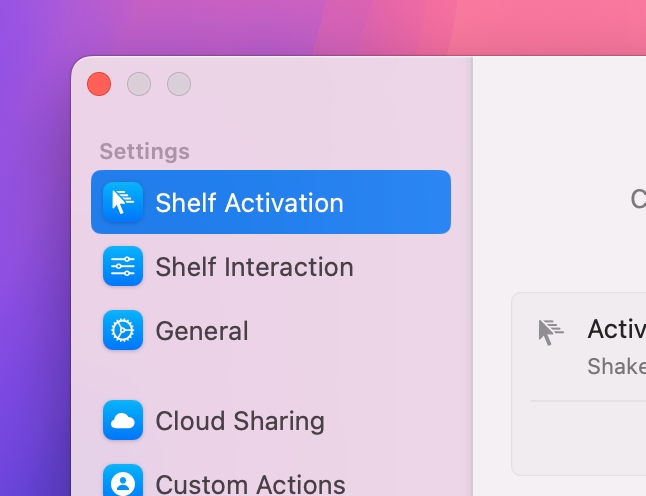
Tailor Dropover to match your workflow. Name and color-code shelves for easy organization, create custom actions for quick tasks, and personalize settings to suit your unique needs.
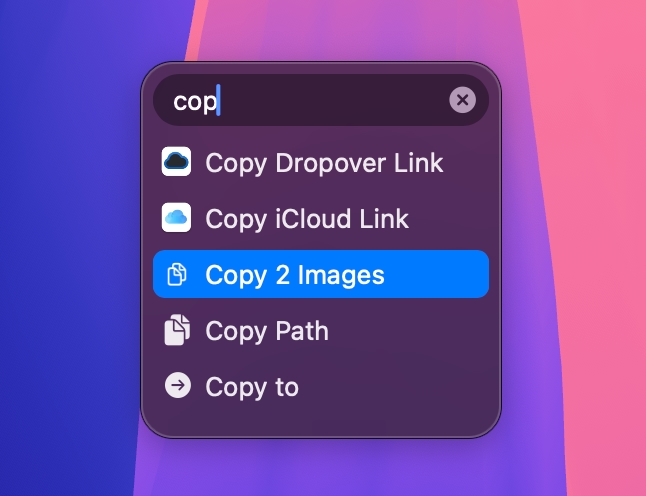
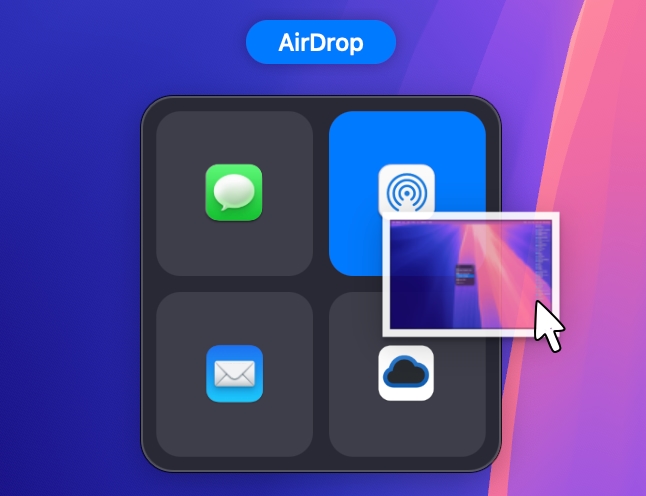
Instant Actions appear when you drag files over an empty shelf. Just drop the files onto an action to directly invoke it.
Go to the (wrench icon) and add a Remesh modifier. Select Voxel .
Ensure Dynamic Topology (Dyntopo) is turned on at the top of the screen. This generates new triangles as you sculpt, ensuring the patch is solid and not just stretched pixels. 3. Method B: Bridging the Gap (Manual Patching) If the crack is a physical hole in the model: Edit Mode: Press Tab . Select Edges: Select the edges on both sides of the crack.
Use the command Edge > Bridge Edge Loops . Blender will create a "skin" across the crack.
A "crack" in a digital dental model isn't just a visual flaw. If you try to 3D print a model with unpatched cracks, the slicer software may misinterpret the geometry, leading to:
Hold Shift while brushing over the inflated area. This melts the new geometry into the surrounding tooth structure, effectively "patching" the gap.
Once the crack is patched, you must ensure the model is "watertight." Enable this built-in Blender add-on.
If you do this professionally, the add-on automates these steps. It includes a specific "Model Builder" module that closes holes and patches cracks with a single click, saving hours of manual sculpting.
Lower the until the detail returns but the cracks disappear (usually around 0.1mm to 0.2mm for dental models).
Go to the (wrench icon) and add a Remesh modifier. Select Voxel .
Ensure Dynamic Topology (Dyntopo) is turned on at the top of the screen. This generates new triangles as you sculpt, ensuring the patch is solid and not just stretched pixels. 3. Method B: Bridging the Gap (Manual Patching) If the crack is a physical hole in the model: Edit Mode: Press Tab . Select Edges: Select the edges on both sides of the crack.
Use the command Edge > Bridge Edge Loops . Blender will create a "skin" across the crack.
A "crack" in a digital dental model isn't just a visual flaw. If you try to 3D print a model with unpatched cracks, the slicer software may misinterpret the geometry, leading to:
Hold Shift while brushing over the inflated area. This melts the new geometry into the surrounding tooth structure, effectively "patching" the gap.
Once the crack is patched, you must ensure the model is "watertight." Enable this built-in Blender add-on.
If you do this professionally, the add-on automates these steps. It includes a specific "Model Builder" module that closes holes and patches cracks with a single click, saving hours of manual sculpting.
Lower the until the detail returns but the cracks disappear (usually around 0.1mm to 0.2mm for dental models).
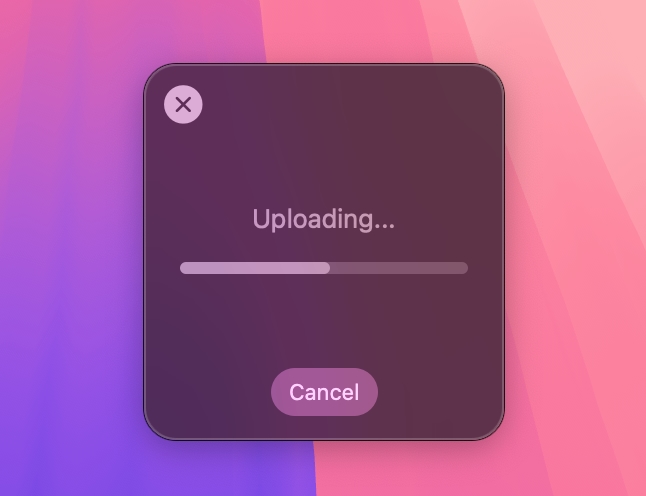
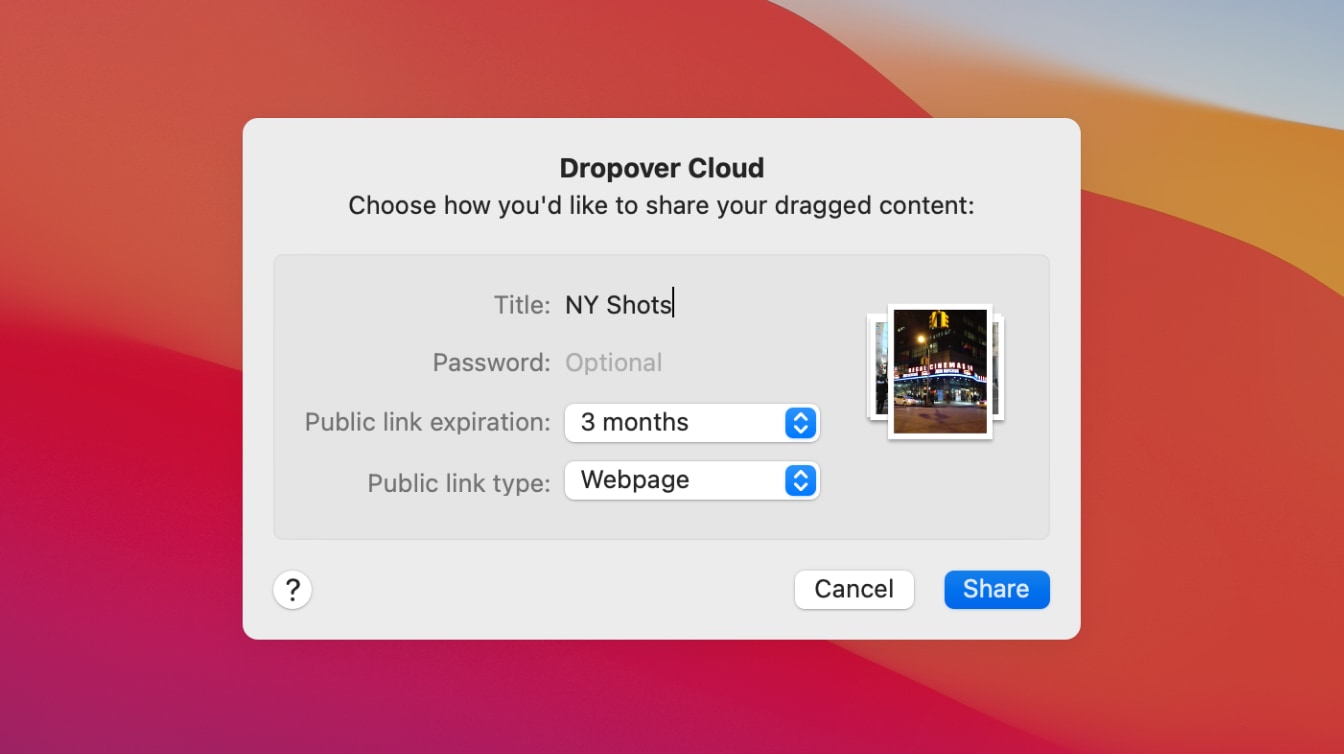
Instantly save your dragged content to the cloud and share the link with anyone. Uploads are anonymous and do not require any registration. And it's free.
Set a title, add a password, set a custom expiration date or change the link type for your uploads.
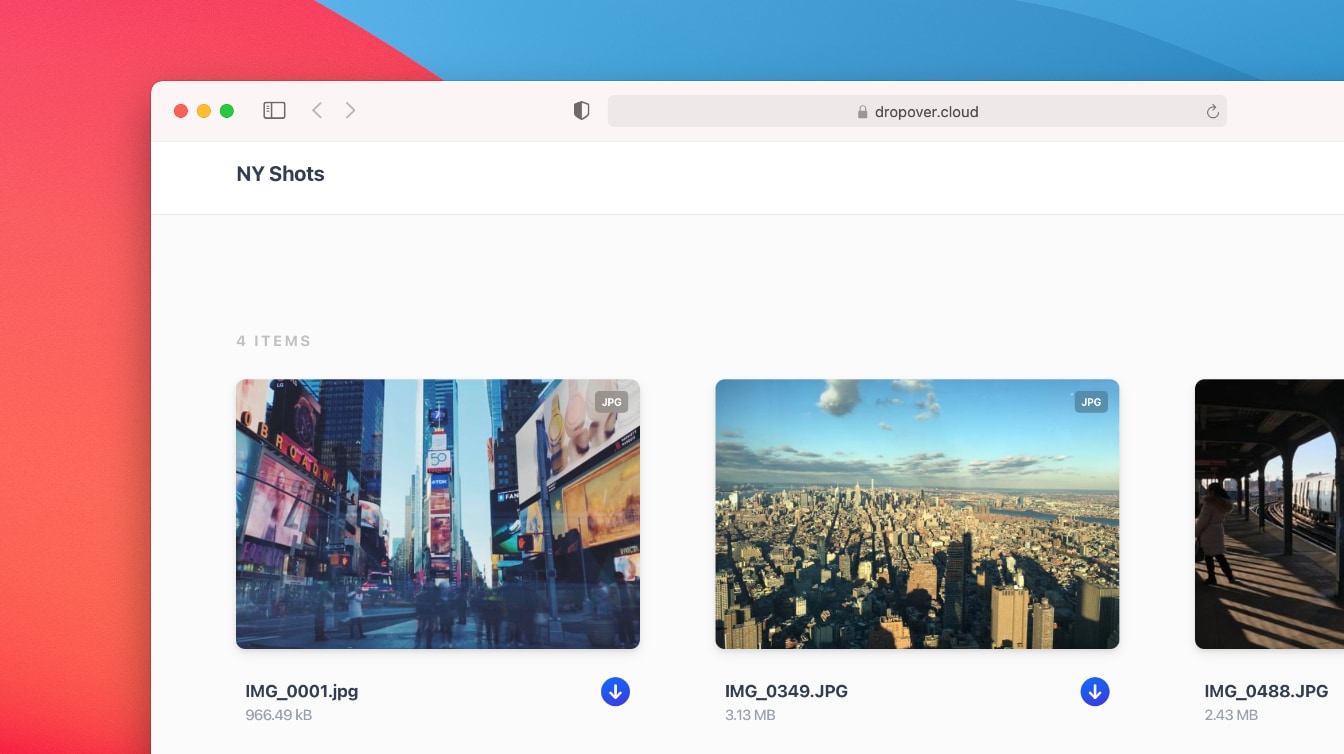
Uploaded content is shown on the public page without any branding, tracking or ads.
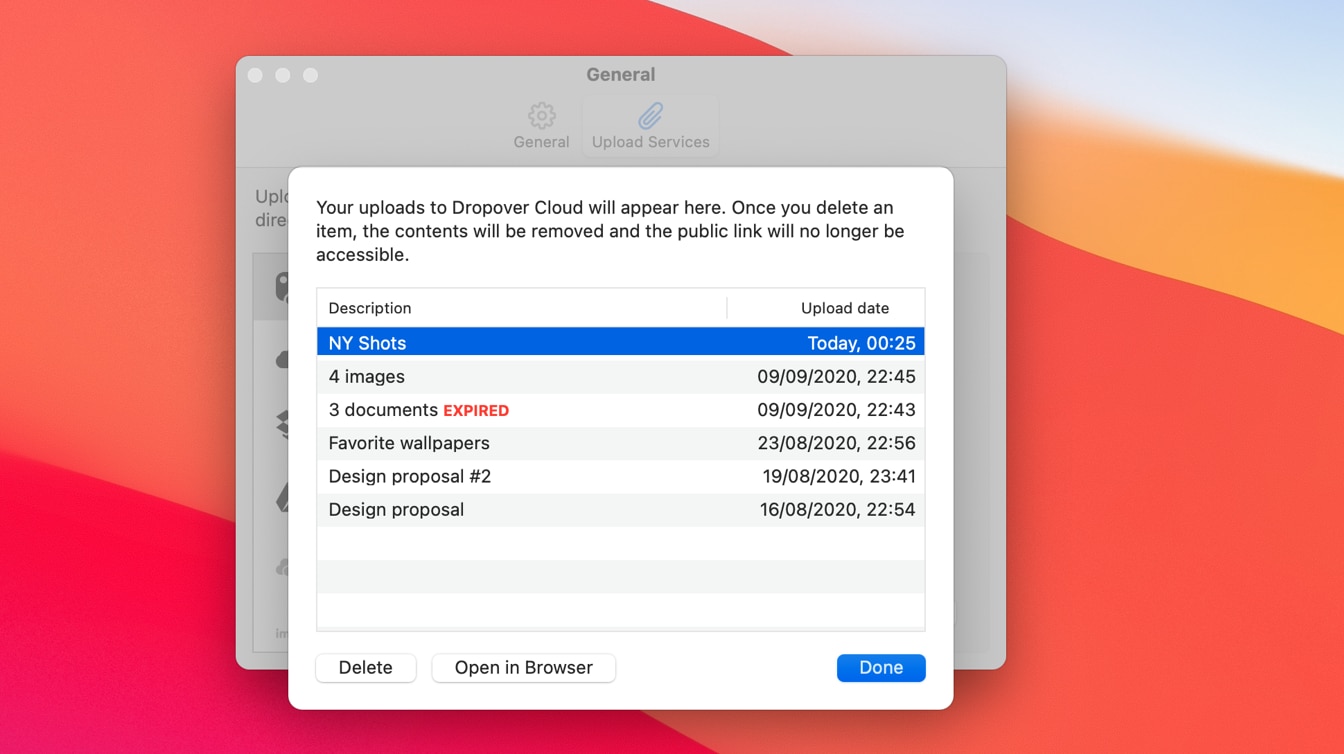
Easily access or delete your uploads in Dropover through menu bar or preferences.