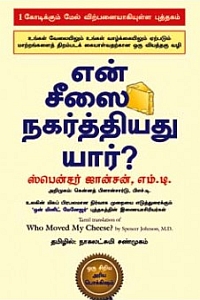
 |
|
   |
|
|
அகல் விளக்கு (www.agalvilakku.com) - தற்போதைய வெளியீடு :
திண்டுக்கல் பாதாள செம்பு முருகன் கோவில் |
சென்னை நெட்வொர்க் (www.chennainetwork.com) - தற்போதைய வெளியீடு :
காகம் (Crow) |
தேவிஸ் கார்னர் (www.deviscorner.com) - தற்போதைய வெளியீடு : அத்திப் பழம் - Fig |
தமிழ் திரை உலகம் (www.tamilthiraiulagam.com) - தற்போதைய வெளியீடு :
எண்ணி இருந்தது ஈடேற - அந்த 7 நாட்கள் (1981) |
Harassment on public buses or "angkot" (minivans) remains a significant social issue. The car offers a "locked door" policy that provides a sense of security. When we see a rise in content featuring women in cars, it is often a silent commentary on the lack of female-friendly urban planning and the ongoing struggle for safety in public spaces. 5. The "Sugar Baby" and "Simp" Economy
This highlights a significant economic social issue: the pressure on young Indonesians to maintain a high-end lifestyle in an economy where wages haven't always kept pace with the cost of luxury. For some, the car isn't just a transport tool; it's a "prop" in a digital performance of wealth that can lead to risky social behaviors. Final Thoughts
Indonesia is one of the world's largest consumers of social media (TikTok, Instagram, and X). The "awek di mobil" keyword often trends because of "vlogger" culture or, more controversially, "dashcam" and "citizen journalism" culture.
For young women (the "awek" or "cewek"), the car provides a curated, aesthetic backdrop for social media content. It represents safety, air-conditioned comfort, and—most importantly—economic mobility. The "awek di mobil" trope often highlights a lifestyle of luxury that millions of young Indonesians aspire to, reflecting the country's growing middle class and the widening gap between the "haves" and "have-nots." 2. The Digital Panopticon: Surveillance and Viral Culture
வீடியோ வெளியீடுகள் |
|
Harassment on public buses or "angkot" (minivans) remains a significant social issue. The car offers a "locked door" policy that provides a sense of security. When we see a rise in content featuring women in cars, it is often a silent commentary on the lack of female-friendly urban planning and the ongoing struggle for safety in public spaces. 5. The "Sugar Baby" and "Simp" Economy
This highlights a significant economic social issue: the pressure on young Indonesians to maintain a high-end lifestyle in an economy where wages haven't always kept pace with the cost of luxury. For some, the car isn't just a transport tool; it's a "prop" in a digital performance of wealth that can lead to risky social behaviors. Final Thoughts bokep awek mesum di mobil toket ceweknya bagus malay top
Indonesia is one of the world's largest consumers of social media (TikTok, Instagram, and X). The "awek di mobil" keyword often trends because of "vlogger" culture or, more controversially, "dashcam" and "citizen journalism" culture. Harassment on public buses or "angkot" (minivans) remains
For young women (the "awek" or "cewek"), the car provides a curated, aesthetic backdrop for social media content. It represents safety, air-conditioned comfort, and—most importantly—economic mobility. The "awek di mobil" trope often highlights a lifestyle of luxury that millions of young Indonesians aspire to, reflecting the country's growing middle class and the widening gap between the "haves" and "have-nots." 2. The Digital Panopticon: Surveillance and Viral Culture Final Thoughts Indonesia is one of the world's
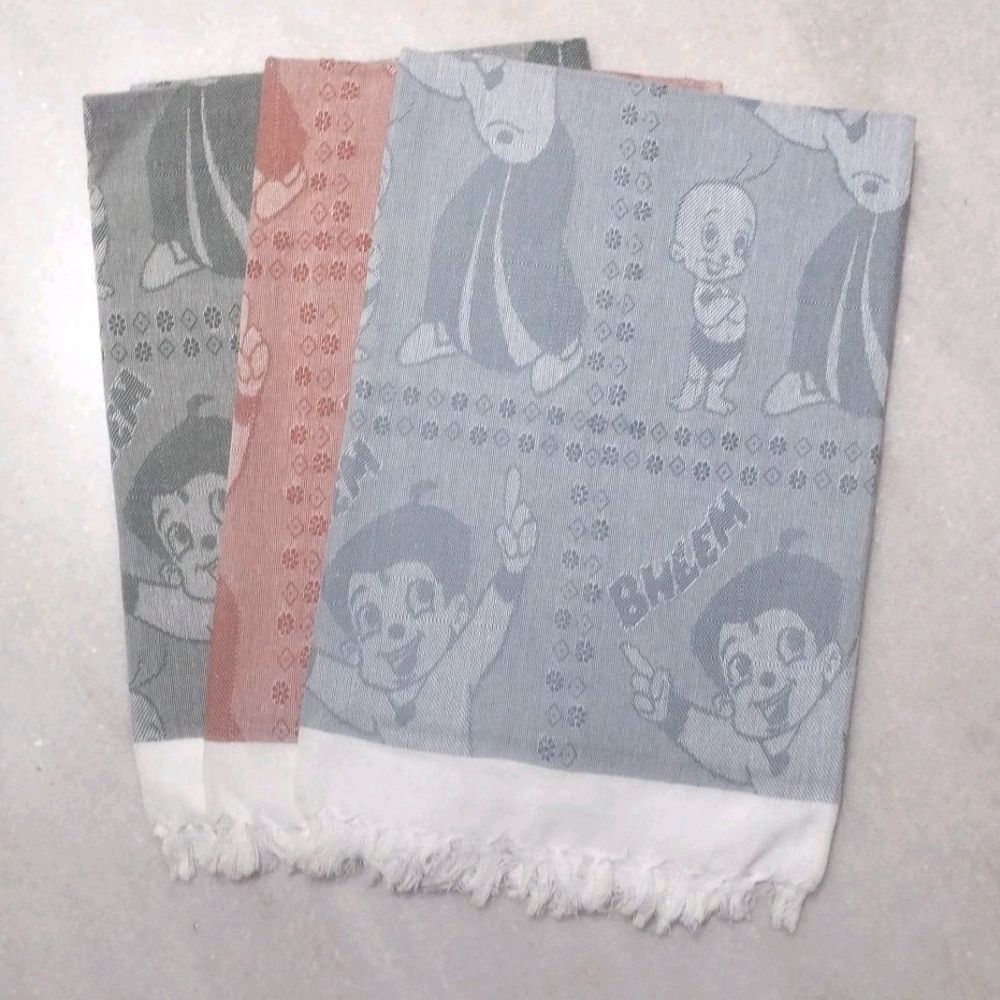
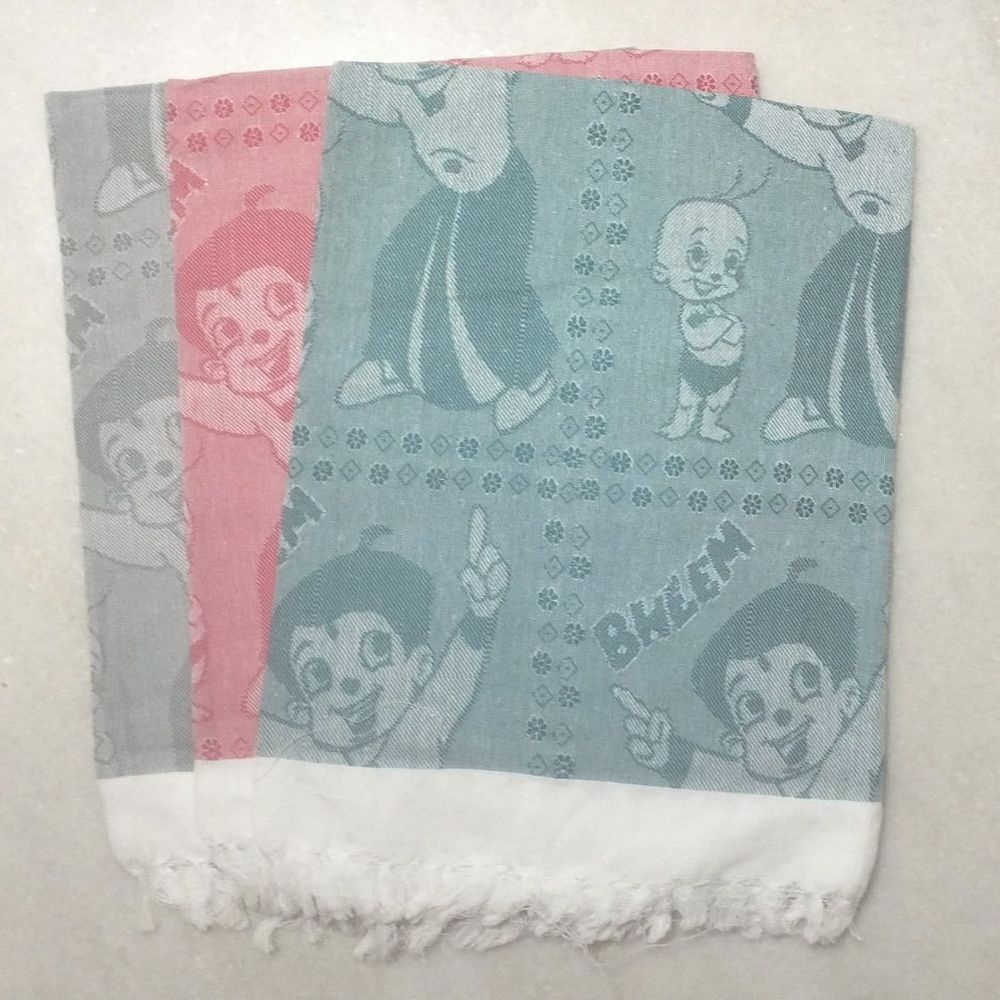
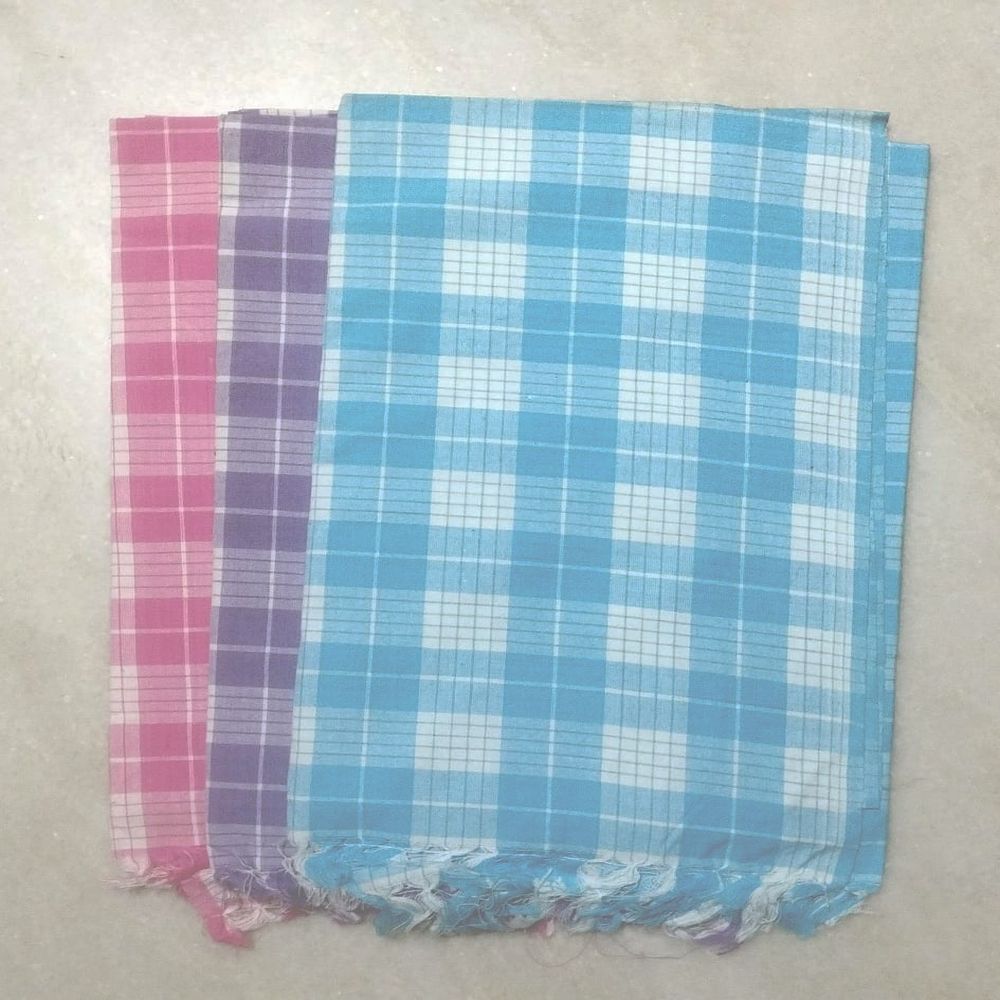
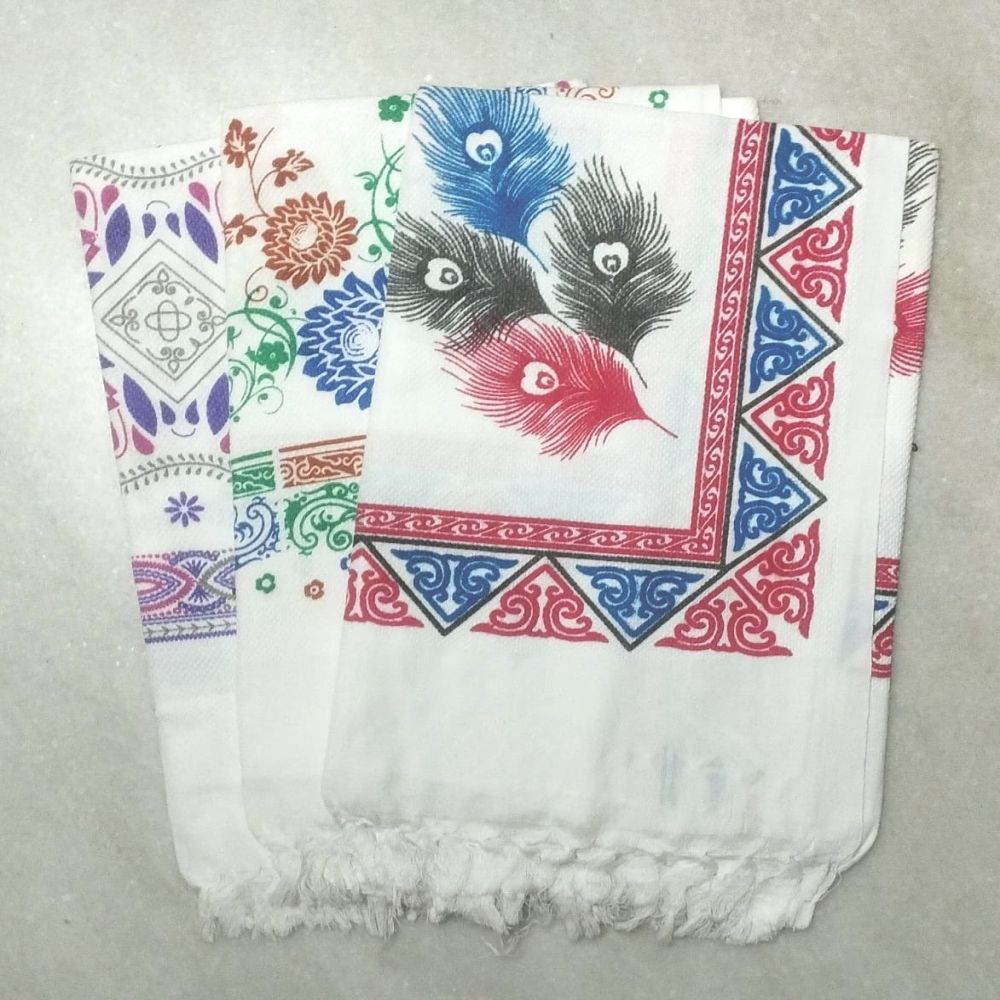
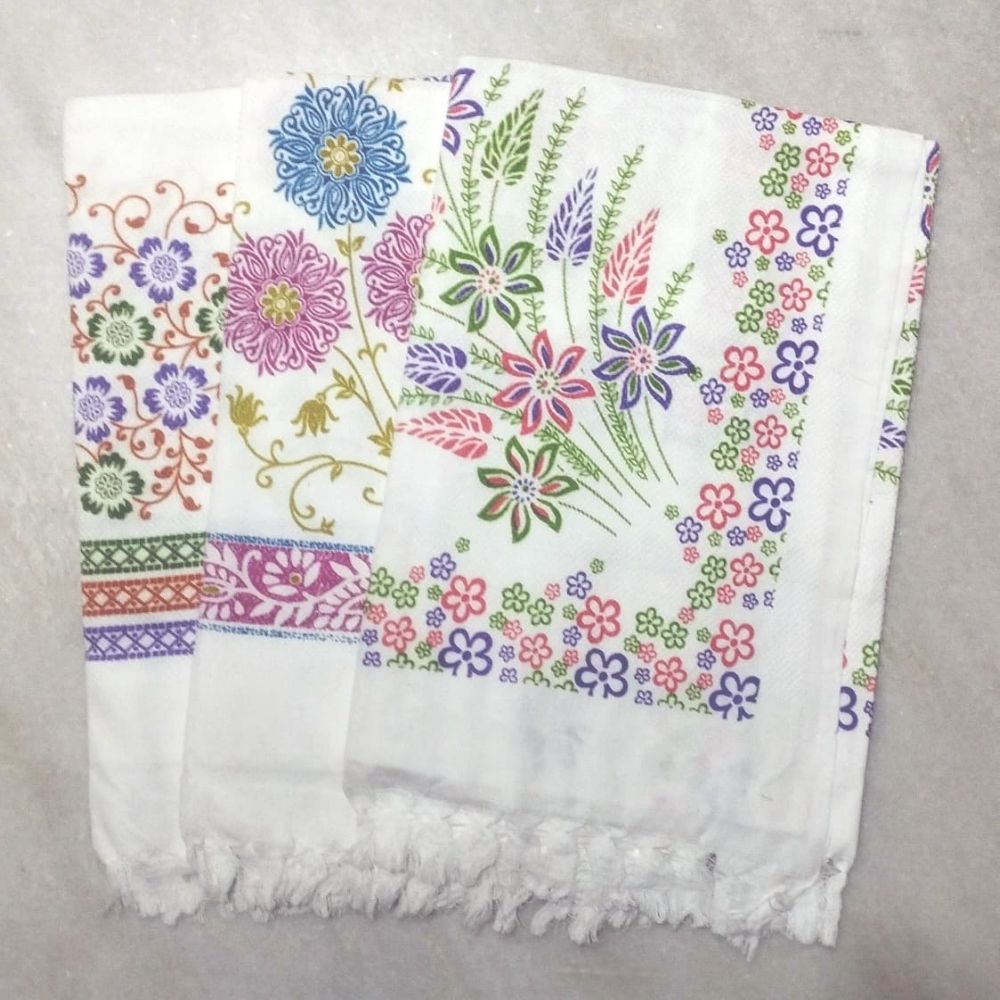
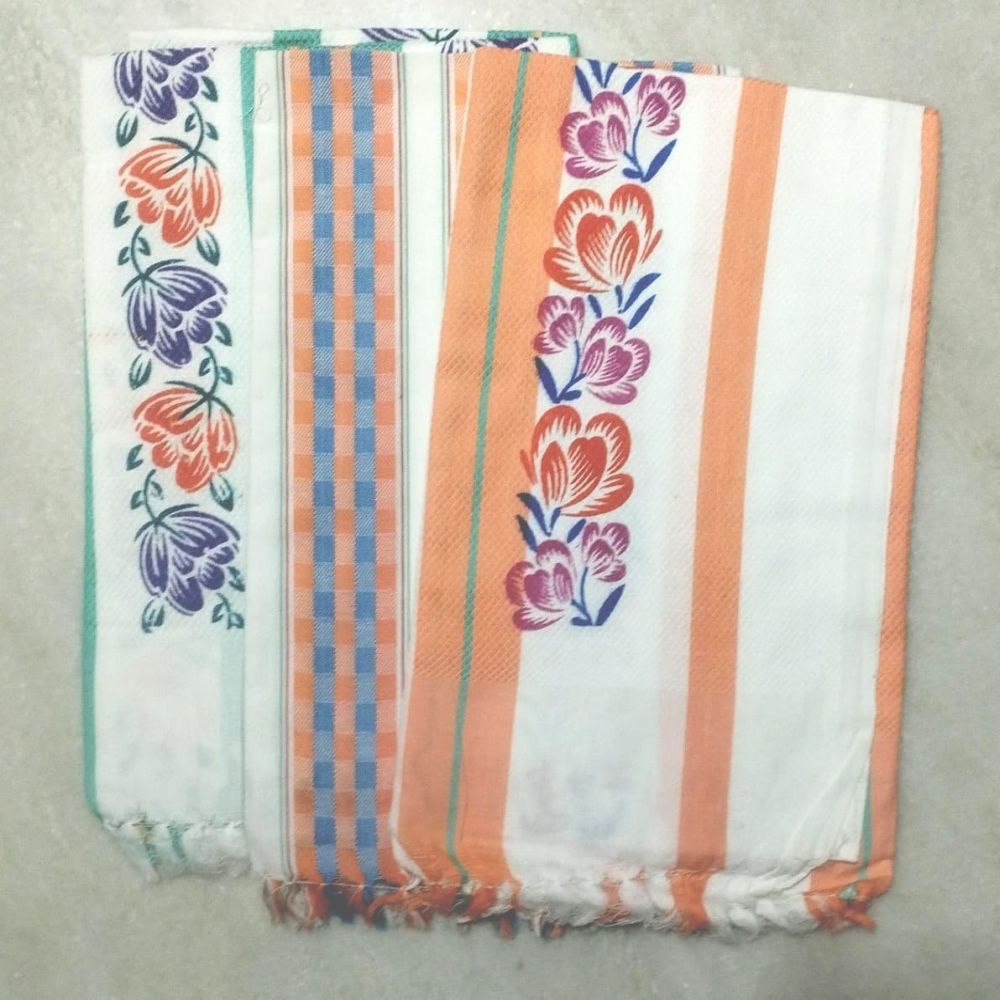
Cotton Bath Towels (Dharanish Mart - www.dharanishmart.com)
Set of 3 Towels | Big Size 29 x 55 Inch (73 x 139 cm) | MRP: Rs. 333/- | Discount Price: Rs. 300/- | Shipping: Free | Total Rs. 300/-
|
|
|
To Order: whatsapp: 9444086888 | To Pay: GPAY/ UPI Id: dharanishmart@cub
|
தரணிஷ்மார்ட் - www.dharanishmart.com (அனைத்து பதிப்பக நூல்கள் 10% தள்ளுபடியுடன்) |
|
GPay / UPI ID: dharanishmart@cub | பேசி: +91-9444086888 (Whatsapp)
|
© 2025 தமிழ்திரைஉலகம்.காம் | எங்களைப் பற்றி | தொடர்புக்கு | பொறுப்பாகாமை அறிவிப்பு | ரகசிய காப்பு கொள்கை |