



Esmon es una editorial dedicada a la comunicación y al marketing en ciencias de la salud. Durante más de 50 años se ha especializado en el desarrollo de contenidos científicos de calidad con el formato que más se adapte a las necesidades de nuestros clientes y aportando el diseño más adecuado para cada proyecto.
El equipo de profesionales de Esmon se dedica a la creación de proyectos editoriales a medida, de una forma efectiva gracias a su experiencia en el sector. La estrecha relación que mantiene con los profesionales de la salud garantiza un alto nivel científico en todos los trabajos.
Tanto la industria farmacéutica, como las sociedades médicas, y en definitiva todas aquellas personas a las que dirigimos nuestros proyectos confían en la profesionalidad de Esmon. Nuestro principal objetivo es el desarrollo de actividades científicas y formativas entre otras, ofreciendo siempre en este proceso creatividad e información rigurosa y actualizada.
Learning Malayalam through Tamil is not just about memorizing words; it’s about discovering a sibling language. By dedicating just an hour a day for 30 days, you can move from a complete beginner to someone who can confidently navigate a conversation in Kerala. Download a comprehensive guide, stay consistent, and enjoy the process of expanding your linguistic horizons.
Basic Pronouns: Learn "I" (Njan), "You" (Nee/Ningal), "He" (Avan), and "She" (Aval). Phase 2: Days 8 to 15 – Building Vocabulary and Verbs
Now, start putting the pieces together. Use the Tamil grammar you already know as a template.
Before diving into the "how," it is important to understand "why" Tamil speakers can learn Malayalam faster than almost any other group. Historically, Malayalam evolved from Middle Tamil several centuries ago. Consequently, the sentence structures (Subject-Object-Verb) are nearly identical. While the script and some pronunciations differ, the logic behind the language remains familiar. This shared heritage acts as a "shortcut," allowing you to bypass many of the struggles beginners usually face with unrelated languages. Phase 1: Days 1 to 7 – The Foundation
Pronunciation: Pay close attention to the "Zha" (ഴ) sound, which is identical to the Tamil "Zha" (ழ). This is a hallmark of both languages and a point of pride for native speakers.
Phase 4: Days 24 to 30 – Immersion and Conversational Practice
Once you can recognize letters, start building your word bank. Focus on everyday objects and actions.

Fecha de inicio: 16 de junio de 2025
Fecha de finalización: 15 de junio de 2026


Fecha de finalización: 12 de enero de 2026
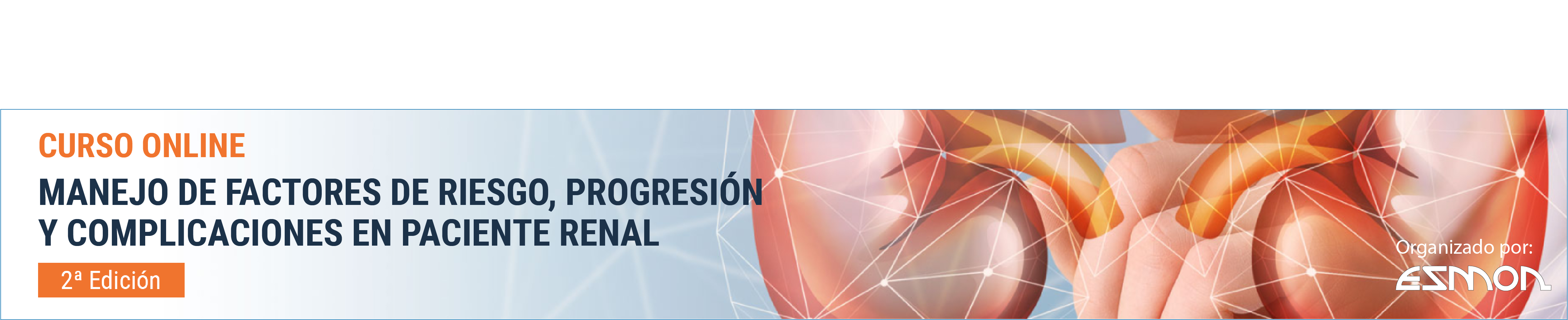
Fecha de finalización: 24 de julio de 2025

Fecha de finalización: 26 de mayo de 2025

Fecha de finalización: 30 de junio de 2024

Fecha de finalización: 14 de junio de 2024 Learn Malayalam In 30 Days Through Tamil Pdf Free

Fecha de finalización: 14 de mayo de 2024

Fecha de finalización: 26 de febrero de 2024

Fecha de finalización: 19 de junio de 2023

Fecha de finalización: 12 de junio de 2023 Learning Malayalam through Tamil is not just about

Fecha de finalización: 12 de junio de 2023

Fecha de finalización: 31 de marzo de 2023

Fecha de finalización: 14 de marzo de 2023

Fecha de finalización: 14 de marzo de 2023 Basic Pronouns: Learn "I" (Njan), "You" (Nee/Ningal), "He"

Fecha de finalización: 14 de febrero de 2023

Fecha de finalización: 31 de enero de 2023

Fecha de finalización: 05 de enero de 2023

Fecha de finalización: 14 de noviembre de 2022

Fecha de finalización: 14 de abril de 2022
































Balmes, 209 3º 2ª
08006 Barcelona (Spain)

Lunes a Jueves de 9 a 18 h
Viernes de 9 a 15 h

Teléfono +34 93 215 90 34
Fax +34 93 487 40 64
Learning Malayalam through Tamil is not just about memorizing words; it’s about discovering a sibling language. By dedicating just an hour a day for 30 days, you can move from a complete beginner to someone who can confidently navigate a conversation in Kerala. Download a comprehensive guide, stay consistent, and enjoy the process of expanding your linguistic horizons.
Basic Pronouns: Learn "I" (Njan), "You" (Nee/Ningal), "He" (Avan), and "She" (Aval). Phase 2: Days 8 to 15 – Building Vocabulary and Verbs
Now, start putting the pieces together. Use the Tamil grammar you already know as a template.
Before diving into the "how," it is important to understand "why" Tamil speakers can learn Malayalam faster than almost any other group. Historically, Malayalam evolved from Middle Tamil several centuries ago. Consequently, the sentence structures (Subject-Object-Verb) are nearly identical. While the script and some pronunciations differ, the logic behind the language remains familiar. This shared heritage acts as a "shortcut," allowing you to bypass many of the struggles beginners usually face with unrelated languages. Phase 1: Days 1 to 7 – The Foundation
Pronunciation: Pay close attention to the "Zha" (ഴ) sound, which is identical to the Tamil "Zha" (ழ). This is a hallmark of both languages and a point of pride for native speakers.
Phase 4: Days 24 to 30 – Immersion and Conversational Practice
Once you can recognize letters, start building your word bank. Focus on everyday objects and actions.