The term Yuusha Hime translates literally to Unlike traditional "damsel in distress" tropes, characters like Milia are designed to be the primary protectors of their realm.
The enduring appeal of characters like lies in the subversion of expectations. There is something inherently satisfying about a character who trades a crown for a helmet. Her stories often explore themes of sovereignty, gender roles, and the weight of destiny . Yuusha Hime Milia
In most iterations of , her visual design leans heavily into the "Valiant Knight" aesthetic. Fans expect to see a blend of elegant royal attire—such as capes or gold-trimmed ribbons—paired with functional silver armor. Her personality is usually a study in contrasts: The term Yuusha Hime translates literally to Unlike
She is often portrayed as stoic and selfless, willing to sacrifice her own happiness for the safety of her subjects. Her stories often explore themes of sovereignty, gender
As a princess, she represents the political heart of her kingdom.
In many titles or mobile gacha games, Milia serves as the "Paladin" class equivalent. She is the character who stays on the front lines, soaking up damage while dealing out holy-elemental strikes. Her popularity often stems from her "straight-man" role in a party of more eccentric adventurers, providing a grounded, moral compass for the story. Why the "Hero Princess" Remains Popular
A common plot point in stories featuring Milia is her struggle with the isolation of her dual role. Is she a girl, a princess, or a weapon of war? This internal conflict is what usually endears her to the audience. Milia in Popular Culture
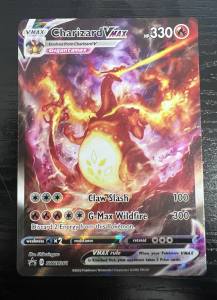
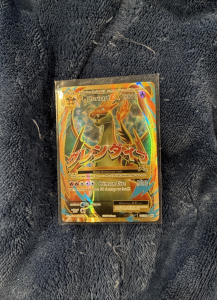
Take/Upload a Trading Card or Comic photo. Find the best match in our database
Example Photos